Shop No. 22, Balaji Bhawan, Plot No. 42-A, Sakal Bhawan Road, Near CBD Belapur Station, Sec. 11, CBD Belapur, Navi Mumbai - 400 614.

HEALTH & WELLNESS SOLUTIONS

Dr Charan Reddy's - Heartfitt Cardiac Wellness Clinic
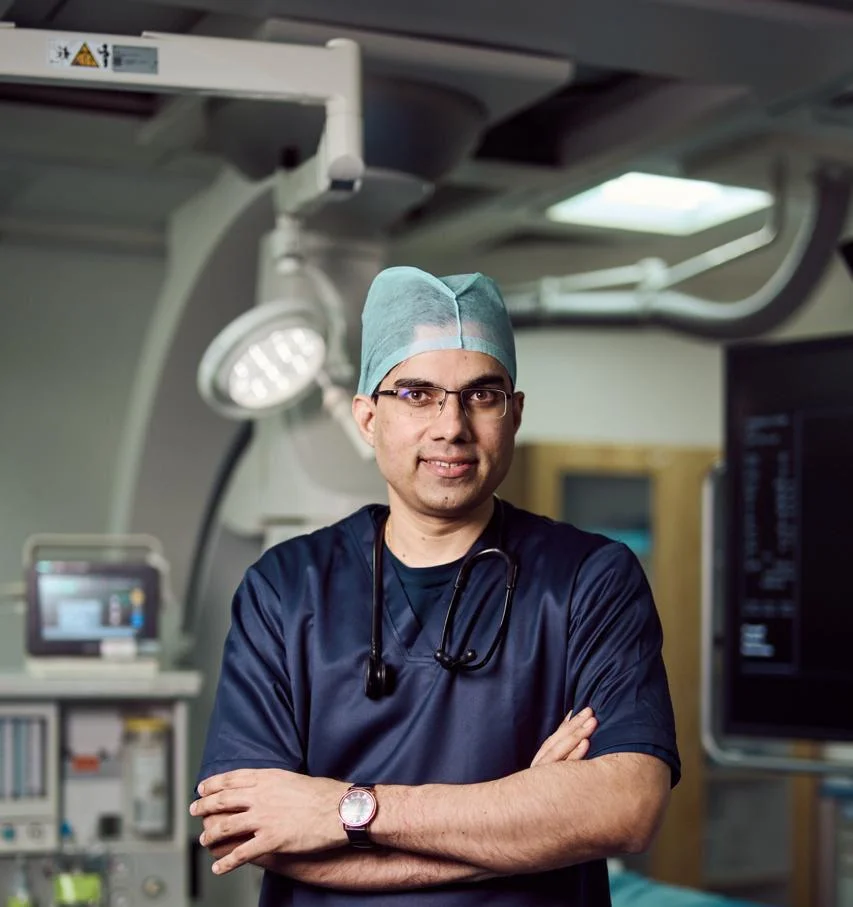
Early and accurate cardiac diagnosis is essential for preventing heart disease and managing cardiac health. Our center offers comprehensive diagnostic services to assess heart function, detect cardiac abnormalities, and guide personalized treatment plans. With advanced technology and expert care, we help you understand your heart’s condition and take proactive steps toward wellness.

  • Electrocardiogram (ECG) to measure the electrical activity of the heart.
  • 2D Echo Cardiography for non-invasive imaging of heart structure and function.
  • Stress Testing (TMT) to assess the heart’s response to exertion.
  • Advanced laboratory and pathology investigations for comprehensive risk evaluation.
  • Regular monitoring and follow-up for effective cardiac care.

Get Consult

Our expert cardiac team provides advanced, patient-centered care for a wide spectrum of heart conditions. We offer customized cardiac treatments, using the latest evidence-based protocols and technology, including:

  • Ischemic Heart Disease and Coronary Artery Disease
  • Heart Failure Management
  • Hypertension and Blood Pressure Control
  • Arrhythmia and Rhythm Disturbance Treatment
  • Valvular Heart Disease Management
  • Interventional Cardiology Procedures
  • Preventive Cardiology and Risk Assessment
  • Cholesterol and Lipid Management
  • Cardiac Rehabilitation and Lifestyle Management
  • Pediatric and Congenital Heart Disease
  • Pre- and Post-Operative Cardiac Care
Get Consult
0+
Years of Clinical Experience
0+
Angiography and complex Angioplasty done
0+
Advanced Cardiac Procedures Performed
0+
Patients Treated with Compassion

PROCEDURES & INTERVENTIONS PERFORMED

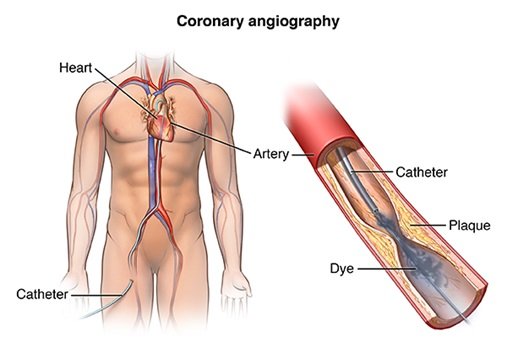
Coronary Angiography (CAG)

A diagnostic procedure using X-ray imaging to visualize the heart's blood vessels for blockages or abnormalities.

Read More
Coronary Angiography (CAG)
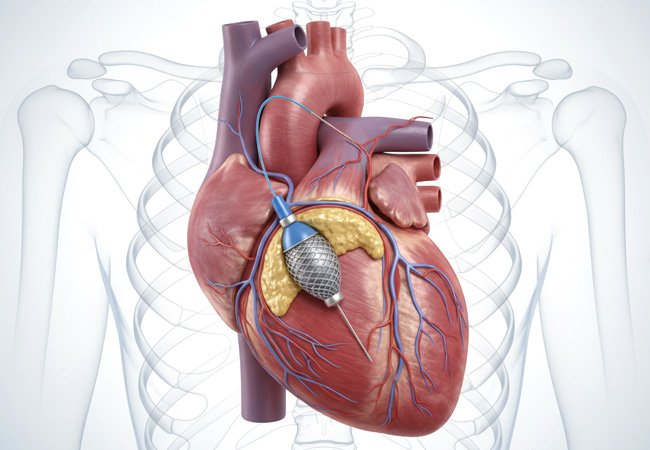
Coronary Angioplasty (PTCA)

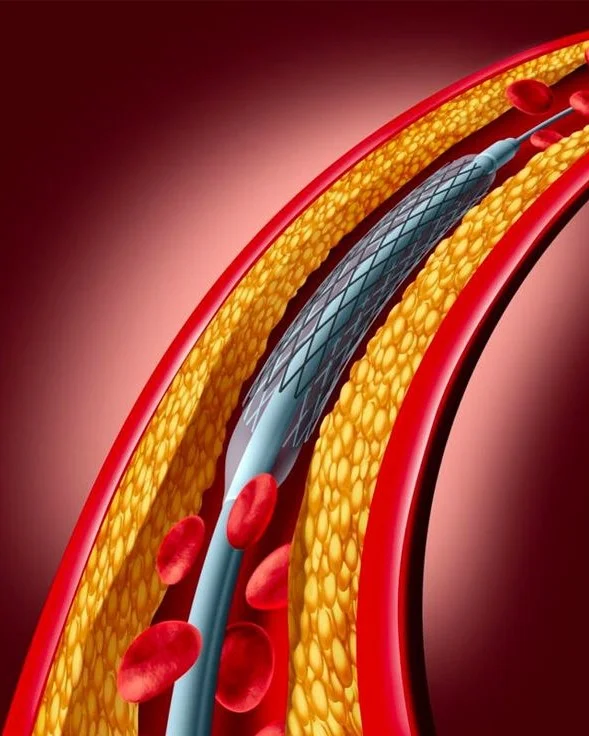
Coronary Angioplasty, also known as Percutaneous Coronary Intervention (PCI), is a minimally invasive procedure used to open blocked or narrowed coronary arteries that supply blood to the heart. Reduced blood flow to the heart can cause chest pain (angina) and may lead to a heart attack. Angioplasty restores normal blood flow and helps protect the heart from further damage.

When Is Coronary Angioplasty Needed?

  • Persistent or severe chest pain (angina)

  • Shortness of breath due to heart blockage

  • During or after a heart attack

  • Significant artery blockage found on coronary angiography

  • When medications alone are not effective

    How Is Coronary Angioplasty Performed?

  • A thin catheter is inserted through an artery in the wrist or groin

  • The catheter is guided to the blocked coronary artery

  • A small balloon is inflated to widen the artery

  • In most cases, a stent is placed to keep the artery open

Read More
Coronary Angiography (CAG)
Coronary Catheterization

Coronary Catheterization is a diagnostic heart procedure used to examine how well the heart is functioning and to detect blockages or abnormalities in the coronary arteries. It helps cardiologists accurately assess blood flow to the heart and plan the most effective treatment. This procedure is often performed as part of cardiac catheterization and may lead to further treatment such as angioplasty or stent placement if required.
 

Why Is Coronary Catheterization Done?

Coronary catheterization is recommended to:

  • Diagnose coronary artery disease (CAD)

  • Evaluate chest pain or unexplained shortness of breath

  • Assess heart valve or heart muscle function

  • Check blood flow after a heart attack

  • Guide treatment decisions before angioplasty or bypass surgery
     

    How Is Coronary Catheterization Performed?

  • A thin, flexible tube (catheter) is inserted through an artery in the wrist or groin

  • The catheter is carefully guided to the heart

  • A contrast dye is injected to make coronary arteries visible on X-ray

  • Images are taken to identify blockages, narrowing, or abnormalities

Read More
Coronary Angiography (CAG)
Pacemaker Implantation

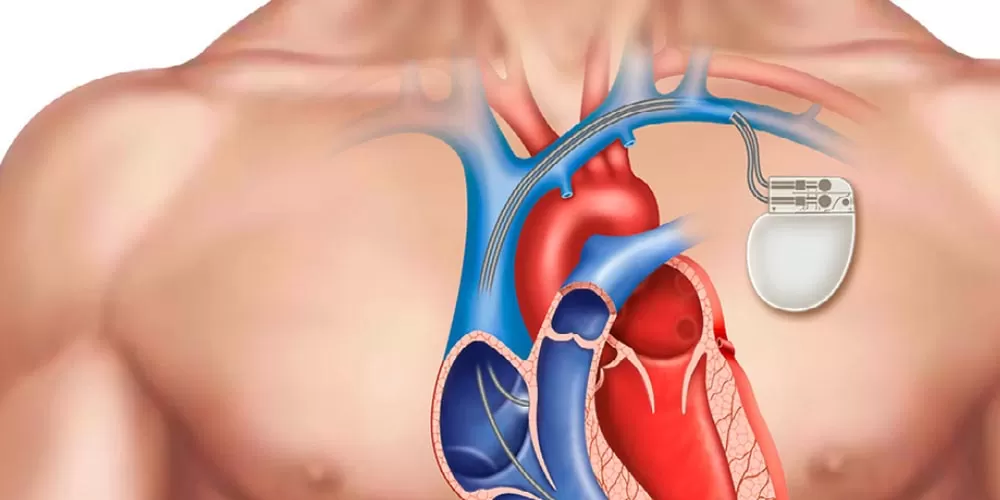
Pacemaker implantation is a medical procedure used to treat abnormal heart rhythms (arrhythmias). A pacemaker is a small electronic device placed under the skin that helps regulate the heart’s electrical activity and maintain a normal heartbeat when the heart beats too slowly, irregularly, or pauses unexpectedly.

Who Needs a Pacemaker?

Pacemaker implantation may be recommended if you experience:

  • Slow heart rate (bradycardia)

  • Fainting or dizziness due to irregular heartbeat

  • Heart block or electrical conduction disorders

  • Fatigue or shortness of breath caused by rhythm problems

  • Certain cases of heart failure (advanced pacemakers)
     

    How Is Pacemaker Implantation Performed?

  • The procedure is done under local anesthesia

  • A small incision is made below the collarbone

  • Leads (wires) are guided through a vein into the heart

  • The pacemaker device is connected to the leads and placed under the skin

  • The device is tested to ensure proper functioning

Read More
Coronary Angiography (CAG)
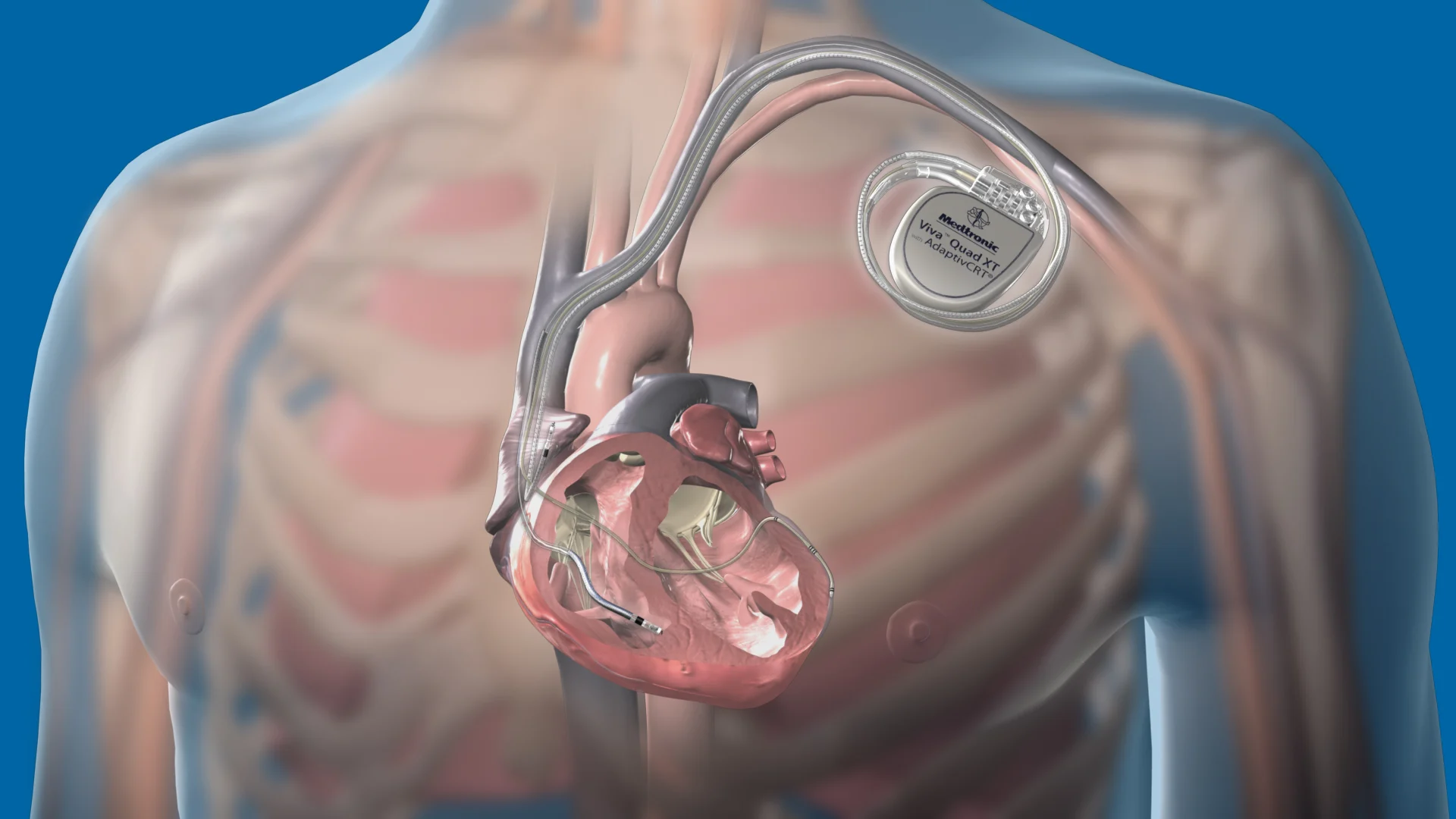
Cardiac Resynchronization Therapy Defibrillator

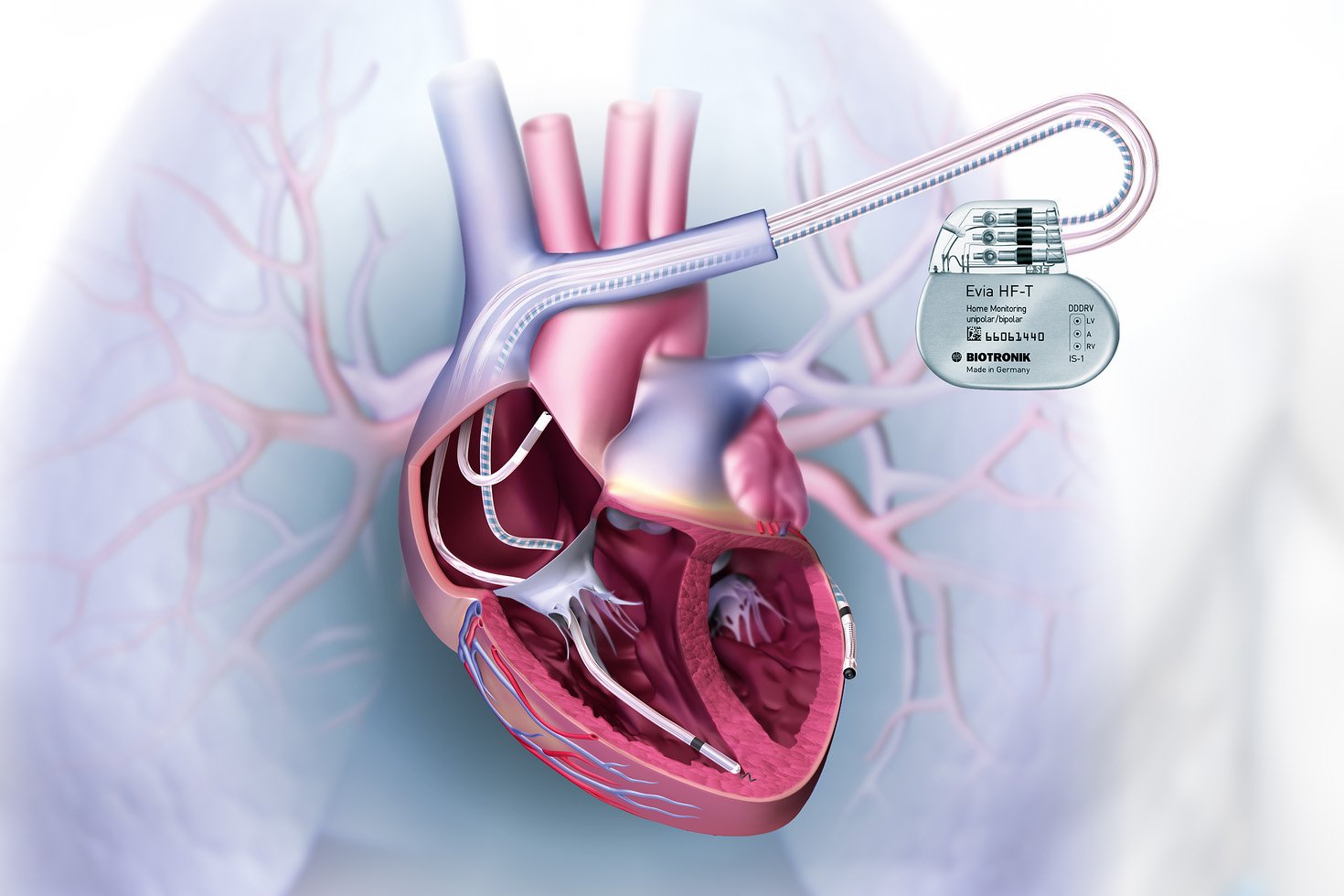
A Cardiac Resynchronization Therapy Defibrillator (CRT-D) is an advanced cardiac device used to treat heart failure and life-threatening abnormal heart rhythms. It combines the functions of a biventricular pacemaker and an implantable cardioverter defibrillator (ICD).

CRT-D helps the heart’s chambers beat in a coordinated manner while also delivering a life-saving shock if a dangerous rhythm is detected.
 

Who Needs a CRT-D?

CRT-D may be recommended for patients with:

  • Moderate to severe heart failure

  • Reduced left ventricular ejection fraction (LVEF)

  • Electrical conduction delay (such as left bundle branch block)

  • Symptoms like fatigue, shortness of breath, or swelling

  • High risk of sudden cardiac arrest due to ventricular arrhythmias

    How Does CRT-D Work?

  • Resynchronization Therapy: Coordinates the contractions of the right and left ventricles, improving the heart’s pumping efficiency

  • Defibrillation: Detects dangerous heart rhythms and delivers an electrical shock to restore a normal rhythm

  • Pacing Support: Prevents slow heart rates and rhythm irregularities

Read More
Coronary Angiography (CAG)
AICD ( Automatic implantable cardioverter defibrillator )

An Automatic Implantable Cardioverter Defibrillator (AICD) is a small electronic device implanted in the chest to monitor heart rhythm continuously and treat life-threatening abnormal heartbeats. If a dangerous rhythm such as ventricular tachycardia or ventricular fibrillation occurs, the AICD automatically delivers an electrical shock to restore a normal heartbeat.

Who Needs an AICD?

An AICD may be recommended for patients who:

  • Are at high risk of sudden cardiac arrest

  • Have a history of ventricular arrhythmias

  • Have survived a previous cardiac arrest

  • Have severe heart muscle weakness (low ejection fraction)

  • Have certain inherited or structural heart conditions

    How Does an AICD Work?

  • Continuous Monitoring: Tracks heart rhythm 24/7

  • Anti-Tachycardia Pacing (ATP): Corrects fast rhythms without shock when possible

  • Defibrillation Shock: Delivers a life-saving shock if a dangerous rhythm is detected

  • Pacing Support: Prevents slow heart rates when needed

Read More
Coronary Angiography (CAG)
Electrophysiology study eps and radiofrequency ablation RFA

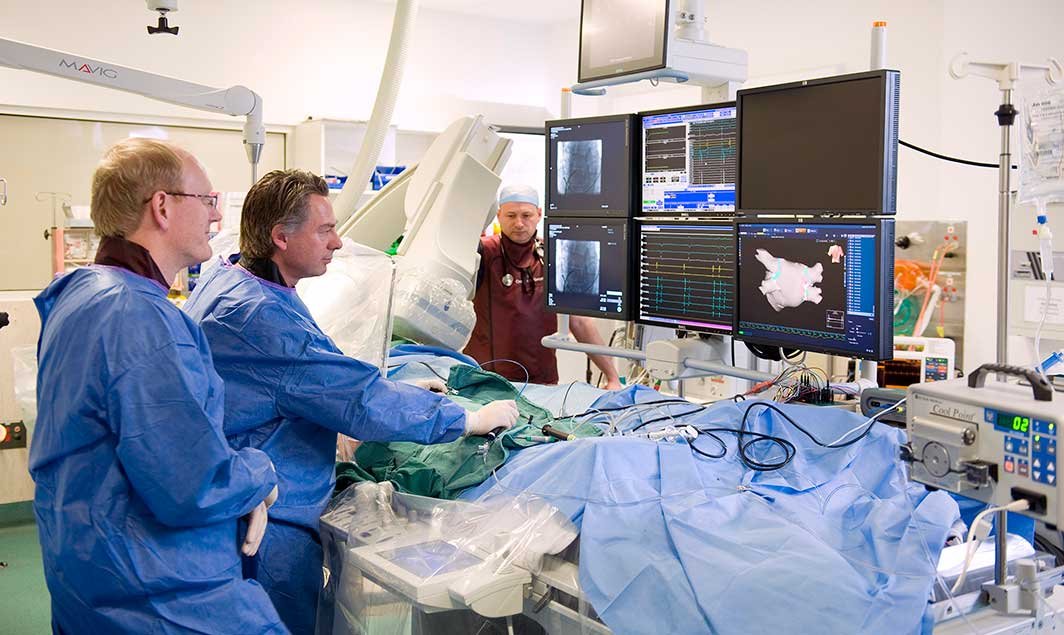
An Electrophysiology Study (EPS) is a specialized cardiac test used to evaluate the electrical activity of the heart. It helps doctors identify abnormal heart rhythms (arrhythmias) and determine their exact origin within the heart.

Why is EPS done?

EPS is recommended to:

  • Diagnose fast or irregular heartbeats

  • Identify the cause of palpitations, dizziness, or fainting

  • Assess risk of sudden cardiac arrest

  • Decide the need for ablation, pacemaker, or ICD

  • Evaluate effectiveness of anti-arrhythmic medications

How is EPS performed?

  • Thin flexible wires (catheters) are inserted through a vein (usually in the groin)

  • Catheters are guided to the heart under X-ray imaging

  • Electrical signals of the heart are recorded and analyzed

  • Abnormal rhythm pathways are precisely located

Is EPS safe?

Yes. EPS is a minimally invasive and safe procedure, performed by experienced electrophysiologists in a controlled cardiac catheterization lab.

Radiofrequency Ablation (RFA)

Radiofrequency Ablation (RFA) is a minimally invasive treatment used to cure abnormal heart rhythms by destroying the tiny area of heart tissue responsible for the arrhythmia.

When is RFA recommended?

RFA is commonly used to treat:

  • Supraventricular Tachycardia (SVT)

  • Atrial Flutter

  • Atrial Fibrillation (AF)

  • Ventricular Tachycardia (VT)

  • Wolff-Parkinson-White (WPW) syndrome

How does RFA work?

  • After locating the abnormal pathway during EPS

  • Controlled radiofrequency energy (heat) is delivered

  • The faulty electrical tissue is destroyed

  • Normal heart rhythm is restored permanently

Benefits of RFA

  • High success rate (90–98% for many arrhythmias)

  • No open surgery required

  • Short hospital stay

  • Long-term relief from arrhythmias

  • Reduced need for lifelong medications

Read More
Coronary Angiography (CAG)
TAVI | TAVR | TMVR

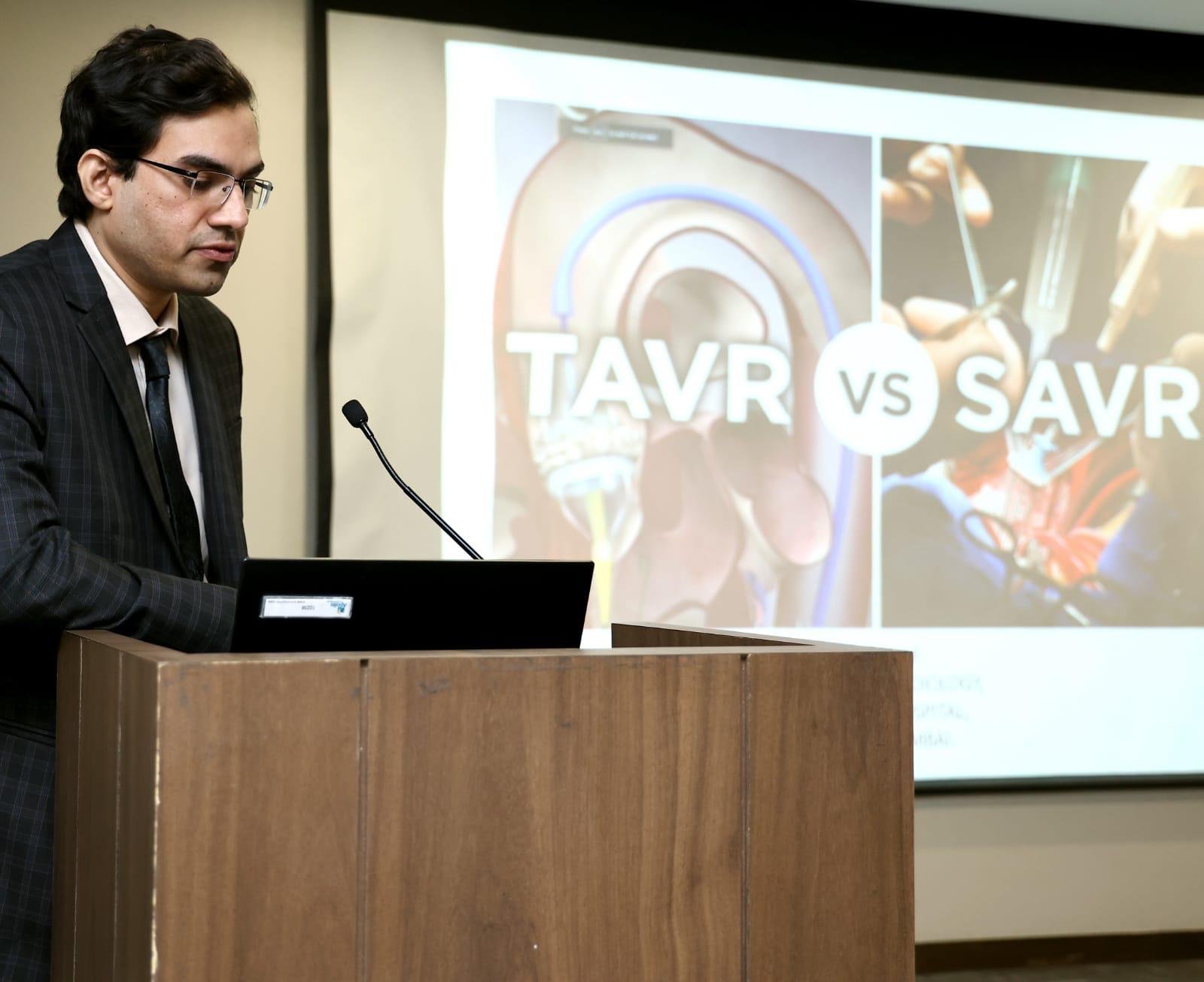
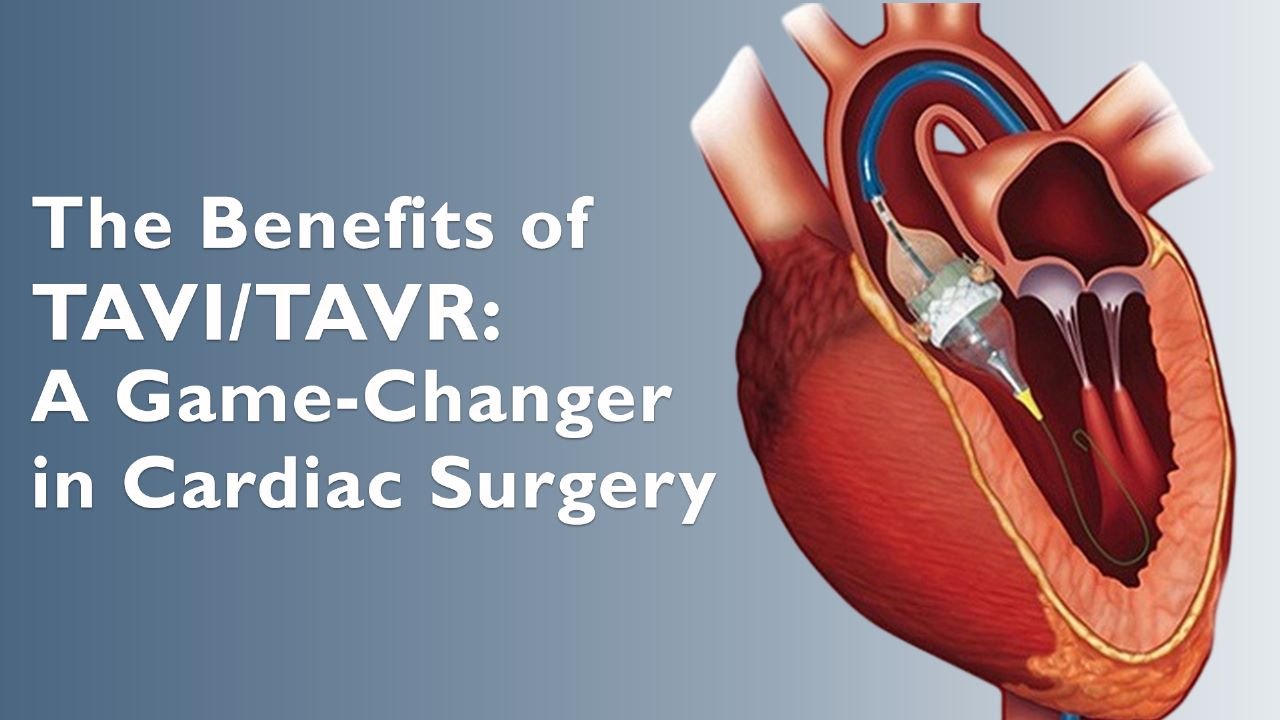
TAVI (Transcatheter Aortic Valve Implantation), TAVR (Transcatheter Aortic Valve Replacement), and TMVR (Transcatheter Mitral Valve Replacement) are advanced, minimally invasive procedures used to replace damaged heart valves without open-heart surgery.

These procedures are especially beneficial for patients who are high-risk or unsuitable for conventional surgery.

TAVI / TAVR (Aortic Valve Replacement)

What Is TAVI / TAVR?

TAVI (also called TAVR) is a procedure to replace a narrowed or leaking aortic valve using a catheter-based approach. A new valve is delivered through a blood vessel (usually via the leg) and placed inside the diseased valve.

Who Needs TAVI / TAVR?

  • Severe aortic stenosis

  • Elderly patients

  • High or intermediate surgical risk patients

  • Symptoms like chest pain, breathlessness, or fainting


TMVR (Transcatheter Mitral Valve Replacement)

What Is TMVR?

TMVR is a catheter-based procedure used to replace a damaged mitral valve without open-heart surgery. It improves blood flow between the left atrium and left ventricle, reducing heart failure symptoms.

Who Needs TMVR?

  • Severe mitral valve disease

  • Patients not suitable for surgical valve replacement

  • Persistent breathlessness or heart failure symptoms

  • Previous valve surgery or high surgical risk

Read More
Coronary Angiography (CAG)
Leadless Pacemaker

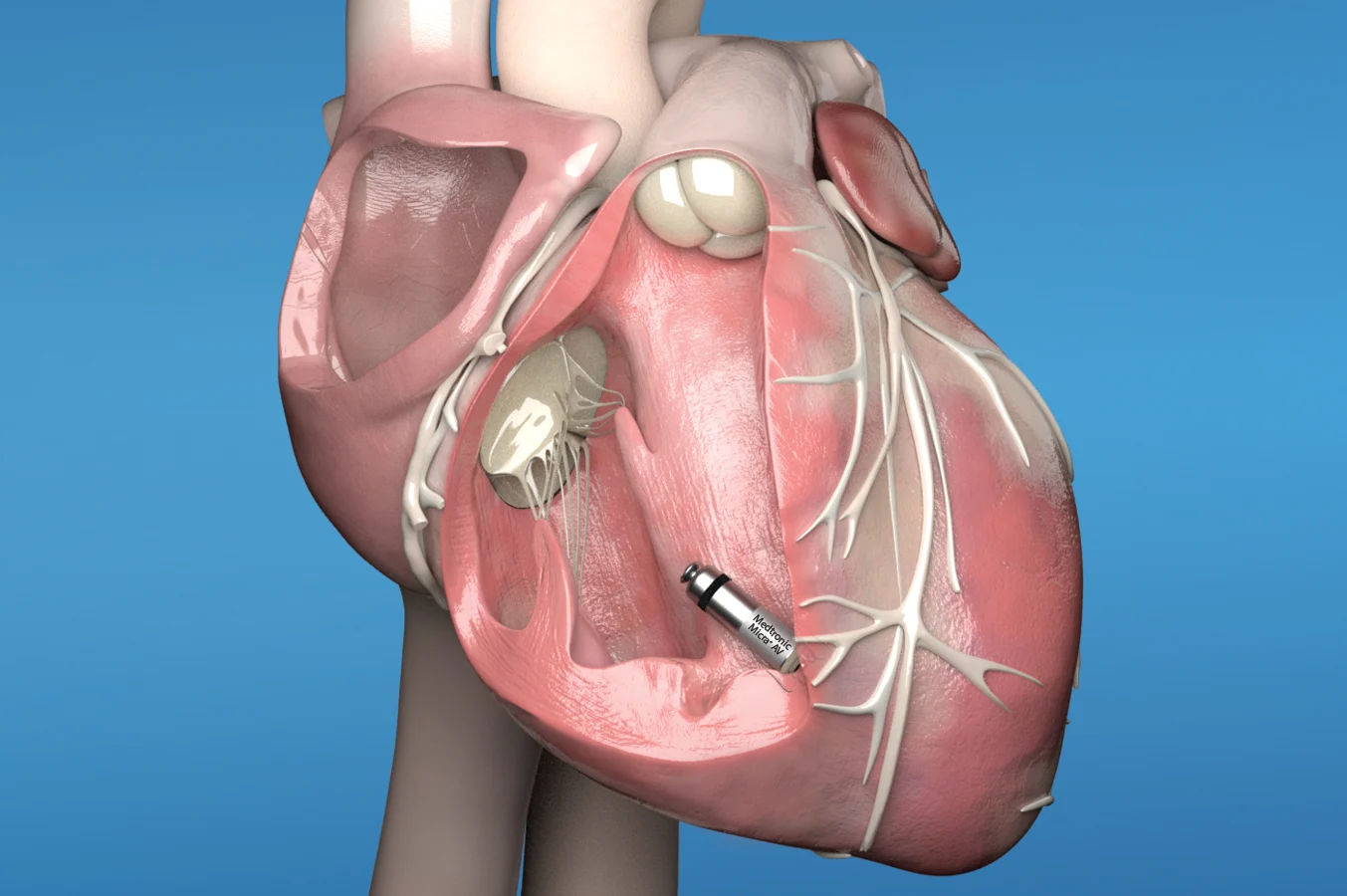
A Leadless Pacemaker is a next-generation cardiac pacing device that helps regulate abnormal heart rhythms without the use of traditional wires (leads) or a surgical pocket under the skin. The device is extremely small—about the size of a large capsule—and is implanted directly inside the heart through a minimally invasive procedure.

Who Needs a Leadless Pacemaker?

A leadless pacemaker may be recommended for patients who:

  • Have a slow heart rate (bradycardia)

  • Require single-chamber ventricular pacing

  • Have high risk of infection from traditional pacemakers

  • Have limited or blocked veins

  • Prefer a minimally invasive pacing option

How Is a Leadless Pacemaker Implanted?

  1. The procedure is performed under local anesthesia

  2. The device is delivered through a catheter inserted via a vein in the leg

  3. The pacemaker is positioned directly inside the right ventricle

  4. The device is secured and tested for proper function

The procedure typically takes less than 1 hour.

Benefits of a Leadless Pacemaker

  • No leads or chest incision

  • Lower risk of infection

  • No visible device or scarring

  • Faster recovery and minimal discomfort

  • Improved patient comfort and mobility

Read More
Coronary Angiography (CAG)
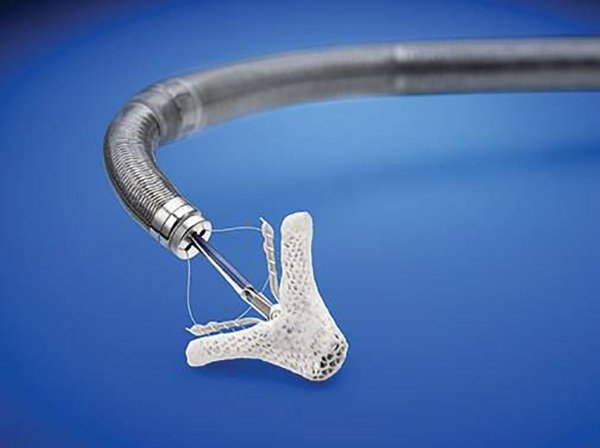
Mitra Clip

MitraClip is a minimally invasive, catheter-based procedure used to treat mitral valve regurgitation (leakage of the mitral valve) without open-heart surgery. The MitraClip device clips together a portion of the mitral valve leaflets, allowing the valve to close more effectively and reducing backward blood flow.

This procedure is ideal for patients who are high-risk or not suitable for conventional heart surgery.

Who Needs MitraClip?

MitraClip may be recommended for patients with:

  • Moderate to severe mitral valve regurgitation

  • Symptoms such as breathlessness, fatigue, or heart failure

  • High surgical risk due to age or other medical conditions

  • Reduced heart function

  • Failed or unsuitable for surgical valve repair

    How Is the MitraClip Procedure Performed?

  • The procedure is done under general anesthesia

  • A catheter is inserted through a vein in the leg

  • The procedure typically takes 2–3 hours.

  • The MitraClip device is guided to the mitral valve

  • The valve leaflets are clipped together to reduce leakage

  • Immediate improvement in blood flow is assessed

Read More

What’s Our Speciality

Why Heart Fitt?

Choose Heart Fitt for the highest professional standards in cardiac wellness, cutting-edge diagnostics, personalized treatments, and a compassionate approach to heart health. Our experienced team is dedicated to your lifelong heart wellbeing.

With a state-of-the-art facility and a focus on preventive care, we offer a full spectrum of advanced cardiac services tailored to your unique needs. From initial assessment and risk evaluation to ongoing management and rehabilitation, we support you at every stage of your heart health journey. Our unwavering commitment to patient education, evidence-based medicine, and continuous improvement ensures you receive care that is not only effective but also empathetic and trustworthy. Your peace of mind and best outcomes are our top priorities at Heart Fitt.

Excellence in Cardiology

Dedicated Cardiac Team

Advanced Heart Care Technology

Our Commitment

At Heart Fitt, our mission is to empower individuals and families to achieve optimal heart health through comprehensive, innovative, and compassionate cardiac care. We are committed to supporting your wellness journey every step of the way.

Mission

To deliver clinical excellence, preventive screenings, and compassionate support, so you have the best opportunity for a healthy heart and fulfilling life.

Vision

To be a trusted leader in cardiac wellness, helping every patient thrive through personalized heart health solutions.

Our Values

Heart Fitt is deeply guided by values that inspire trust, collaboration, and continuous improvement. We build a supportive environment where everyone is encouraged to pursue wellness and share their unique voices.

  • We Strive for Excellence
  • We Value Compassion and Integrity
  • We Encourage Curiosity and Learning
  • We Succeed Through Teamwork
  • We Advocate Holistic Wellness

Our Approach
Heart Fitt Care

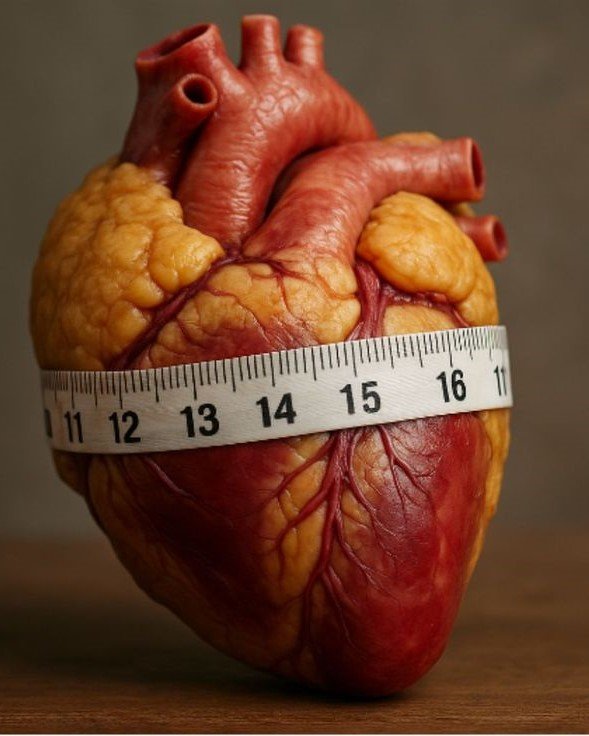
At Heart Fitt, we believe exceptional heart care is rooted in personal attention and trust. We build strong doctor-patient partnerships so you are empowered, informed, and cared for at every stage of your cardiac health journey.

  • We believe in prevention and proactive care
  • We recognize each patient’s unique heart health needs
  • We use state-of-the-art cardiac diagnostics

Frequently Asked Questions

1.How do I make an appointment at Heart Fitt?

To book an appointment at Heart Fitt, please contact our front desk at 91370 00177, or use our convenient online booking form. We do our best to accommodate your preferred schedule and provide you with the best care possible.

1.How can I transfer my records to another healthcare provider?

You may request your health records by contacting our reception team. With your authorization, we can securely transfer your records to your designated provider as per your instructions. Please let us know if you have a specific format or timeline for the transfer.

Ask a Heart Fitt Question